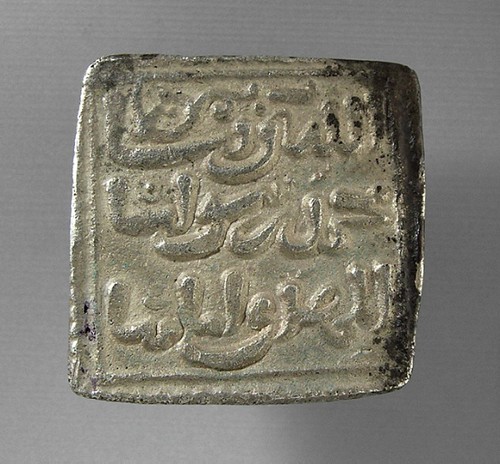
History of Silver: Unveiling the Rich Tapestry of Silver: A Comprehensive Journey Through Its Storied History and Diverse Uses
Introduction: Silver, a precious metal with a luminous sheen, has captivated civilizations throughout history, leaving an indelible mark on the tapestry of human progress. This article delves into the rich history of silver, exploring its origins, cultural significance, and the myriad of uses that have shaped its role in society.
Ancient Silver Origins: The history of silver dates back to ancient times, with evidence of its mining and utilization found in regions such as Anatolia, modern-day Turkey. Early civilizations, including the Sumerians and Egyptians, recognized silver’s unique properties and valued it for both ornamental and practical purposes.
Cultural Significance: As civilizations flourished, so did the cultural significance of silver. It became a symbol of wealth, purity, and prestige across various cultures. In ancient Rome, silver denarii coins were widely used as a form of currency, highlighting the metal’s monetary importance.
Silver in Antiquity: During the Middle Ages, silver played a crucial role in the development of trade routes, contributing to the establishment of prosperous trading cities like Venice. The “Silver Road” became a vital link between East and West, facilitating commerce and cultural exchange.
Silver in the Industrial Revolution: The advent of the Industrial Revolution in the 18th century marked a transformative period for silver. Its excellent conductivity made it indispensable for the burgeoning electrical industry, with silver-coated mirrors and utensils also gaining popularity.
Medical Uses of Silver: Beyond its industrial applications, silver found a place in the medical field. Known for its antimicrobial properties, silver has been used for centuries to prevent infections. In the 19th century, silver nitrate became a standard antiseptic, paving the way for modern silver-based wound care products.
Modern Applications: In the contemporary era, silver continues to be a versatile metal with diverse applications. From electronics and photography to solar panels and water purification, silver plays a vital role in advancing technology and sustainable practices.
Investment and Jewelry: Silver’s enduring allure extends to the world of investment, where it is often sought after as a hedge against economic uncertainty. Additionally, silver’s timeless beauty makes it a popular choice for jewelry, with artisans crafting intricate pieces that showcase its elegance.
Conclusion: The history of silver is a fascinating journey through time, showcasing its evolution from a symbol of wealth and prestige to a vital component of modern technology and medicine. As we continue to unlock new uses for this remarkable metal, the story of silver unfolds, connecting the past with the present and pointing towards a future shaped by its enduring significance.
Dive Deeper into the history of silver:
The Ultimate Guide to Silver
Your trusted source for silver history, uses, prices, and investment potential.
🧬 1. What Is Silver?
Silver is a precious metal with the chemical symbol Ag and atomic number 47. Known for its brilliant luster and high conductivity, silver has been valued for thousands of years in art, currency, and technology.
- Properties: Malleable, ductile, and the best natural conductor of electricity.
- Symbolism: Associated with purity, clarity, and wealth across cultures.
🏺 2. A Brief History of Silver
Silver’s story spans millennia:
- Ancient Civilizations: Used in jewelry and trade in Mesopotamia, Egypt, and Greece.
- Coinage: The first silver coins were minted in Lydia (~600 BC).
- Colonial Era: Massive silver mining in the Americas (Potosí, Mexico) fueled global trade.
- U.S. History: The Comstock Lode (1859) and Pittman Act (1918) shaped American silver policy.
Silver has always been a symbol of wealth and a driver of economies.
⚙️ 3. Uses of Silver Today
Silver’s versatility makes it indispensable:
- Jewelry & Decor: Timeless appeal in rings, necklaces, and flatware.
- Electronics: Found in smartphones, computers, and batteries.
- Solar Panels: Crucial for photovoltaic cells.
- Medical: Antimicrobial properties used in wound dressings and surgical tools.
- Investment: Coins, bars, and ETFs offer exposure to silver’s value.
📈 4. Silver Price History
Silver prices have fluctuated dramatically:
- 1980 Peak: $49.45/oz during the Hunt Brothers’ squeeze.
- 2011 Rally: $48.70/oz amid economic uncertainty.
- Recent Trends: Hovering around $38–$40/oz in 2025.
The gold-to-silver ratio (currently ~75:1) helps investors assess relative value.
🔮 5. Current Market Trends
Silver is influenced by:
- Federal Reserve policy
- Industrial demand (especially green tech)
- Global economic uncertainty
Analysts predict strong long-term growth due to silver’s role in renewable energy and electronics.
💰 6. Why Invest in Silver?
Silver offers:
- Inflation protection
- Portfolio diversification
- Lower entry cost than gold
You can invest in:
- Physical silver: Coins, bars, rounds
- Paper silver: ETFs, mining stocks
Silver’s dual role as an industrial and precious metal makes it uniquely positioned for growth.
🏞️ 7. Silver in Alabama
Alabama has a rich history of mineral exploration, and Silver Alabama is proud to be part of that legacy.
- Local dealers and collectors
- Community events and education
- Trusted source for silver products and insights
Silver Alabama connects you to the heart of silver investing in the South.
❓ 8. FAQs & Resources
Q: How do I buy silver?
A: Visit Silver Alabama’s shop or explore reputable dealers and online platforms.
Q: How should I store silver?
A: Use climate-controlled safes or secure vaults. Avoid humidity and direct contact with other metals.
Q: Is silver better than gold?
A: Silver is more affordable and has broader industrial use, while gold is more stable and traditional.
Resources:
- Live Silver Price Chart
- Silver Calculator
- Educational Blog